Tag: AfricanClimateLeadersFellowshipGreenLead #AfricanYouthInClimateAndEnergy #CapstoneProjects

  • Green Yards For Health in Botswana

    Green Yards For Health in Botswana

    20250518 172418

    The Green Yards for Health project is an African Climate Leaders Fellowship Capstone Project, led by Kago Motlhatso in Serowe, Botswana.

    Problem Statement: 

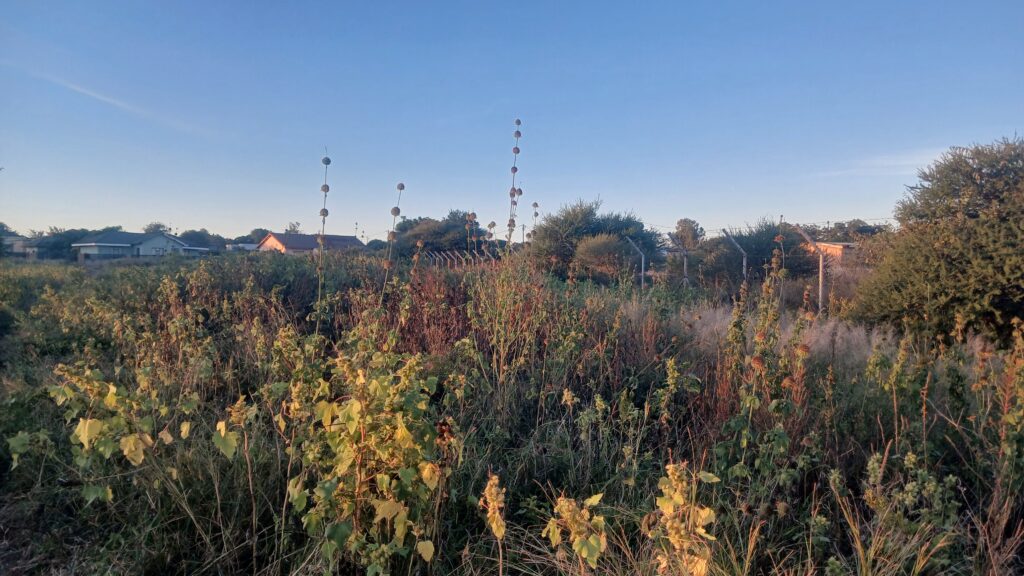
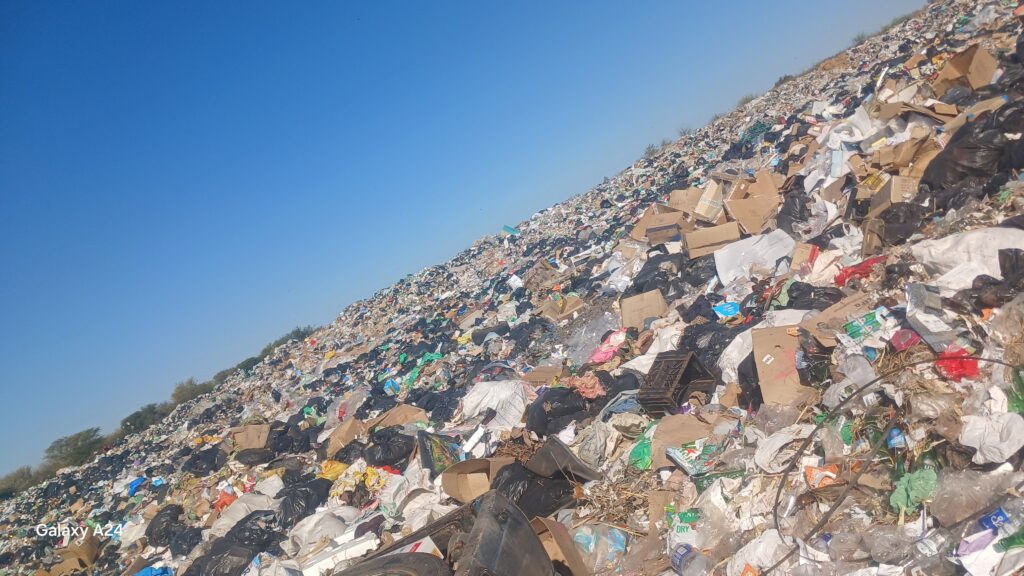
    Neglected public spaces in Serowe pose health, safety, and environmental risks, including waste buildup, overgrown bushes, and lack of climate resilience initiatives. 

    Objectives: 

    • Clear and restore public spaces sustainably 
    • Train communities on climate-friendly practices 
    • Promote health, safety, and environmental stewardship 
    • Foster community collaboration and ownership 
    20250704 143652

    Key Activities Included:

    • Land clearing and bush cutting 
    • Waste disposal at landfill sites 
    • Training sessions for youth and communities 
    • Collaboration with IHS students, Ipelegeng workers, and volunteers

    Partnerships 

    IHS students (tennis players), community volunteers, and Ipelegeng workers contributed to project implementation. Future plans involve local schools, NGOs, and district councils. 

    20240524 155813

    Outcomes & Impact:

    • Cleaner, safer public spaces 
    • Improved community health and environmental awareness 
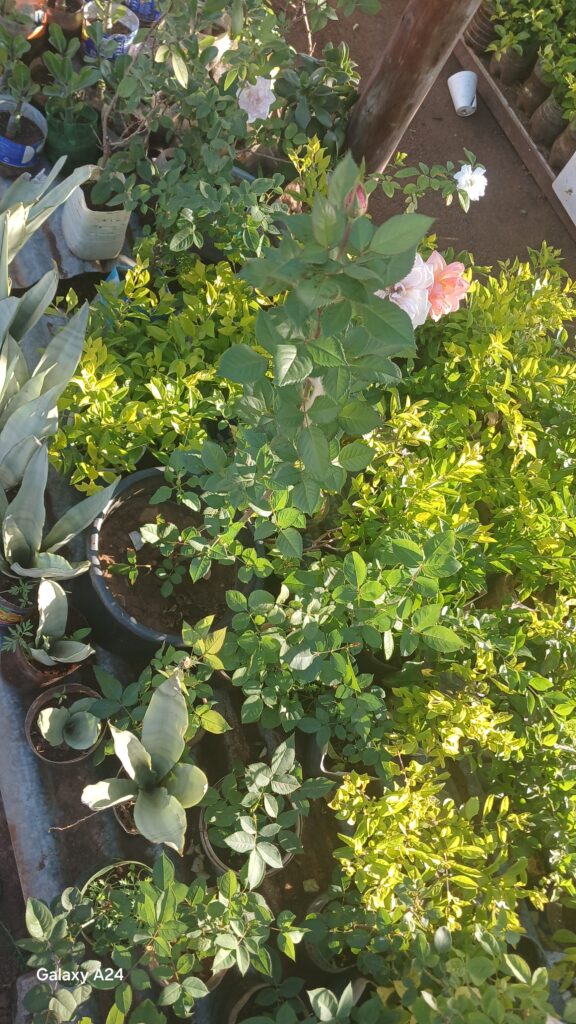
    • Enhanced climate resilience through greening initiatives 
    • Youth empowerment and skill development 

    Timeline:

    Phase 1: Land clearing (Completed) | Phase 2: Waste disposal & training (Ongoing) | Phase 3: Landscaping & planting (Q4 2025) | Phase 4: Expansion & maintenance (2026) 

    Lessons Learned:

    Collaboration and community ownership are vital for long-term sustainability. Future plans include seeking funding for tree planting and irrigation systems. 

    Contact: kmotlhatso@gmail.com | +267 76588517

  • Climate-Smart Agriculture: Grow With Us Project

    Doreen Samuel’s “Grow With Us Project”; Climate-Smart Agriculture in Malawi

    img 20250829 wa0028 page 0003

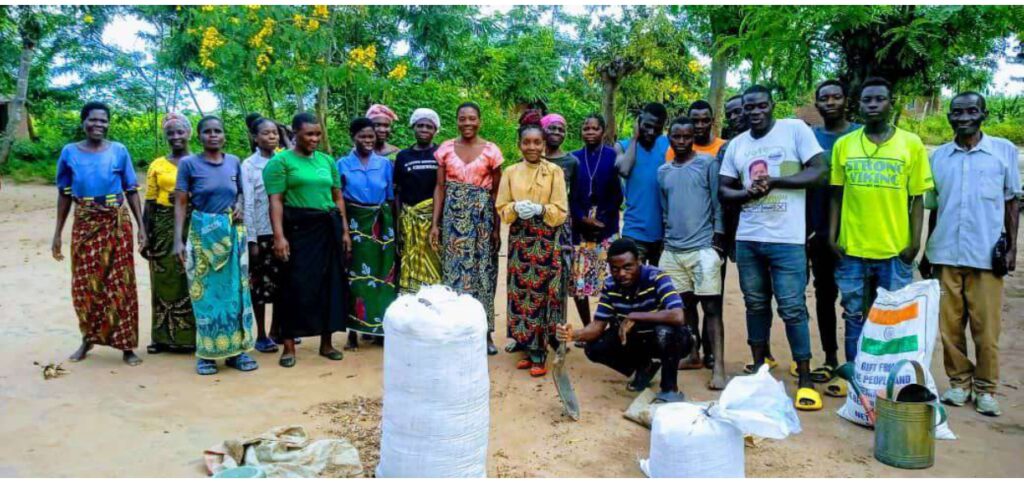
    The Grow With Us Project, a capstone project led by Doreen Samuels, from Malawi is dedicated to promoting, facilitating, and advocating for the widespread adoption of energy-efficient solutions (charcoal briquettes), the use of crystalized human-urine fertilizer, fertilizer multiplier, and educating communities with basic business management skills. The initial goal for the Grow With Us Project (GWUP) is to establish charcoal briquette and fertilizer production for communities in Lilongwe using local agricultural waste materials. This Capstone project is contributing to sustainable agricultural practices, environmental conservation, and energy-efficient solution use, hence aligning with the Africa Climate Leaders Fellowship’s vision of building resilient, community-driven responses to climate justice.


    img 20250829 wa0028 page 0006

    BACKGROUND & JUSTIFICATION 

    Located in Southeastern Africa, Malawi is a landlocked country, and Lilongwe is located in the central Region of Malawi. Agriculture is a key sector in Lilongwe and is mostly small-scale and rain-fed and thus prone to climatic shocks, which in turn impact agricultural outputs, resulting in price volatility, subsequently impacting Malawi’s agricultural-based economy and its GDP. Therefore, there is a need to build up climate resilience and respond effectively to the cyclones that have damaged vital infrastructure, including power plants, bridges, and roads.

    Farmers in Lilongwe are standing at the forefront of the climate crisis, a crisis that is causing increased food insecurity and poverty. Additionally, the fact that the cost of fertilizer has increased rapidly since 2022-2025 has also impacted small-scale farmers. Lilongwe, being the capital city and central Region of Malawi, has the highest population, hence the dependence of its population on solid fuels to cover the energy demand for cooking both in urban and rural areas. This, in turn, leads to unsustainable utilization of biomass that contributes to deforestation and land degradation.

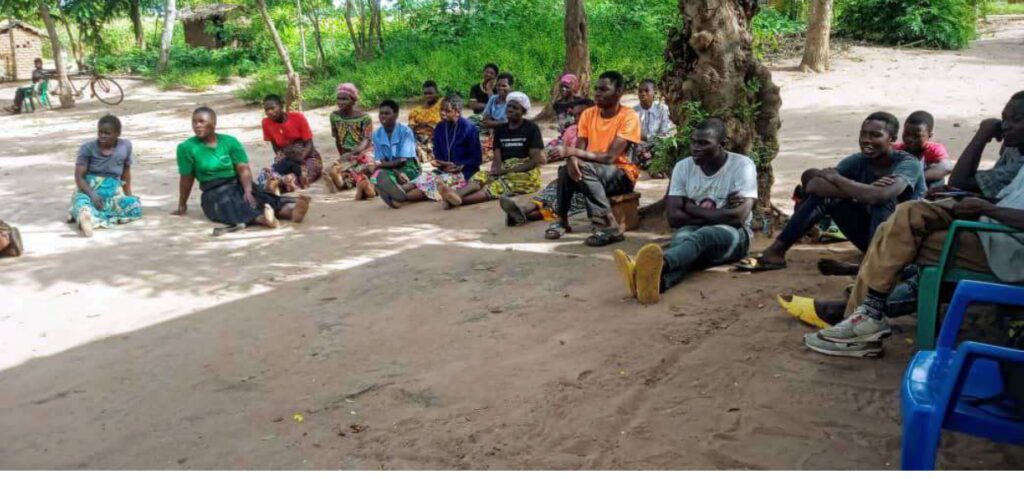
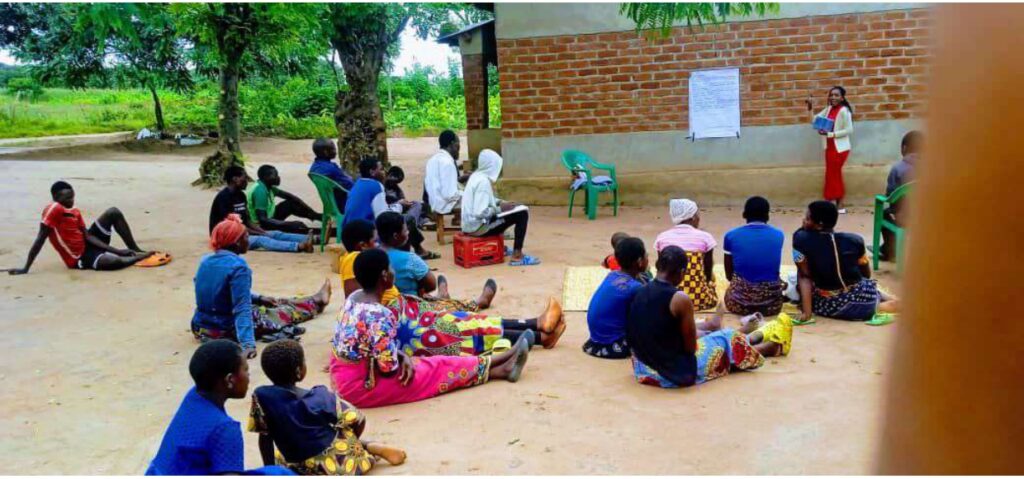
    The Grow with us project is training over 3000 small-holder farmers who are youths and women in climate-smart agricultural practices, incorporating the use and production of fertilizer multiplier, crystallized human urine fertilizer on their lands, and also charcoal briquettes for energy use.


    img 20250829 wa0028 page 0004

    PROBLEM STATEMENT 

    Despite the Agriculture sector being the main income source of the economy in Malawi, agricultural productivity in Lilongwe is getting lower each growing season, which is contributing to Malawi’s food insecurity and is affecting the country’s economy. Farmers in Lilongwe rely on chemical fertilizers to improve their crop yield. However, chemical fertilizers are imported, and their dependence has made Malawi susceptible to global market fluctuations, resulting in skyrocketing fertilizer prices well beyond the reach of most small-holder farmers in Lilongwe. The use of chemical fertilizers has led to acidity and degradation of the soil. In addition, the cutting down of trees for energy use has led to deforestation and soil erosion. Lilongwe inhabitants lack knowledge in the production and use of fertilizer multiplier, crystalized human urine fertilizer, and greener charcoal briquettes, which can improve soil fertility, biodiversity, environmental conservation, and food security. They also lack the business management skills, such as business laws and regulations, business model canvas, and financial literacy, which can help boost their businesses, thus improving the country’s economy. Therefore, the Grow with us project aims to bridge the gap by promoting the use and production of fertilizer multiplier and crystalized human urine fertilizer and charcoal briquettes using waste agricultural raw materials in Lilongwe, whilst educating the community members with basic business management skills to improve Malawi’s economy.

    OBJECTIVES 

    1. Educate small-holder farmers about the benefits of using crystalized human urine fertilizer, fertilizer multiplier, and charcoal briquettes.

    2. Provide training and demonstrations on the production and proper use of the crystallized human-urine fertilizer multiplier and charcoal briquettes.

    3. Facilitate business management skill sessions.

    4. Monitor and evaluate the impact of crystalized human-urine fertilizer, fertilizer multiplier on crop yield among small holder farmers.

    #AfricanClimateLeadersFellowship #CapstoneProject

  • Microplastics Awareness for a Sustainable Future

    Microplastics Awareness for a Sustainable Future

    Microplastics Awareness for a
    Sustainable Future

    Save Aqua, Save Homo (SASH) Initiative, a Capstone Project of the Greenlead African Climate Leaders Fellowship by Ayomide Elias Kudehinbu

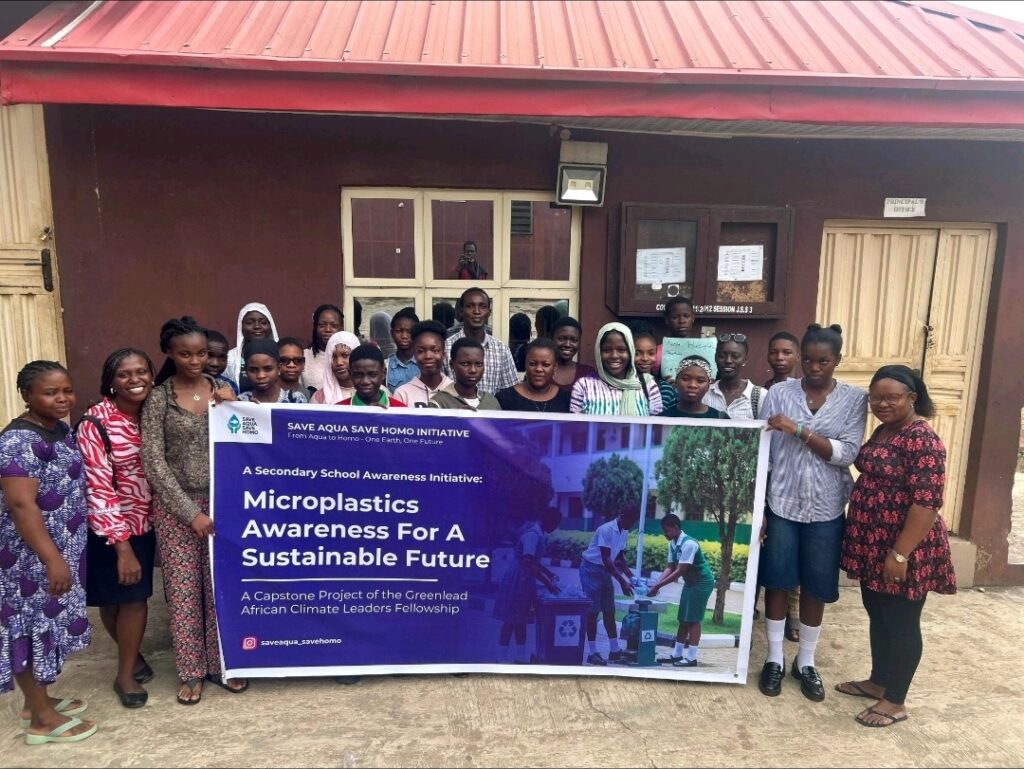
    On the 27th of August 2025, the SASH Initiative held a workshop titled “Microplastics Awareness for a Sustainable Future” at Molete Baptist Group of Schools, Ibadan by Ayomide Elias Kudehinbu. This event served as both an awareness campaign and a practical training session on plastic pollution, microplastics, and recycling. 

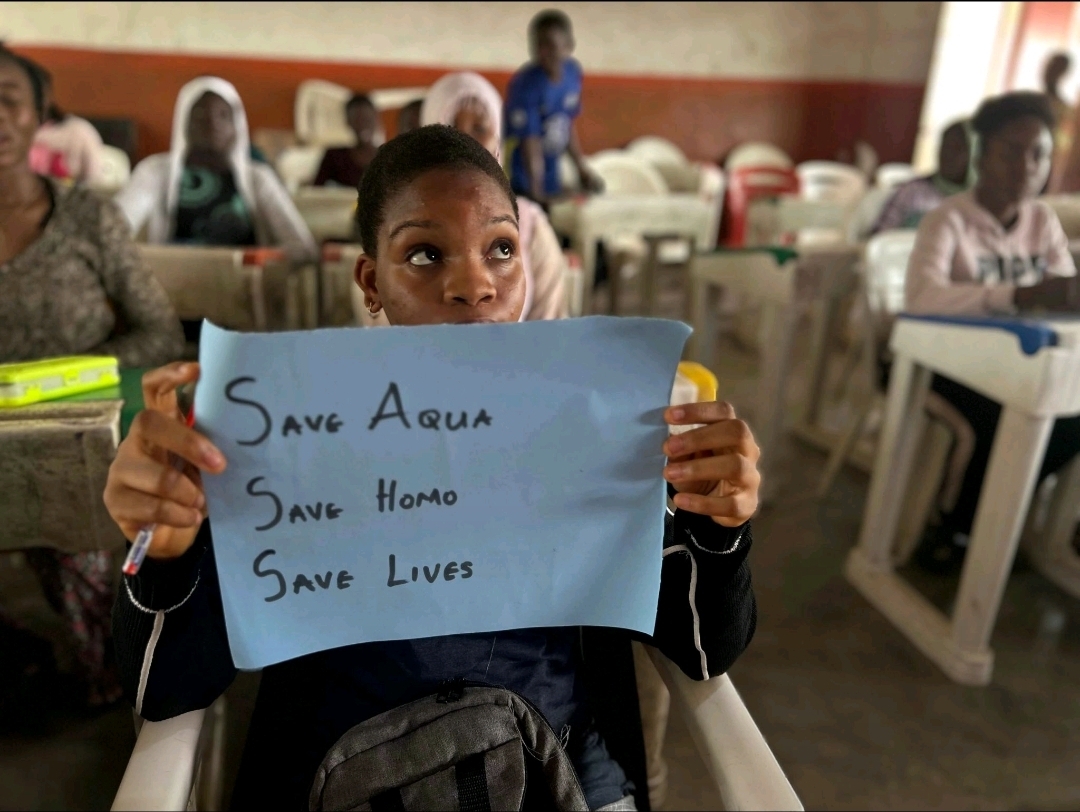
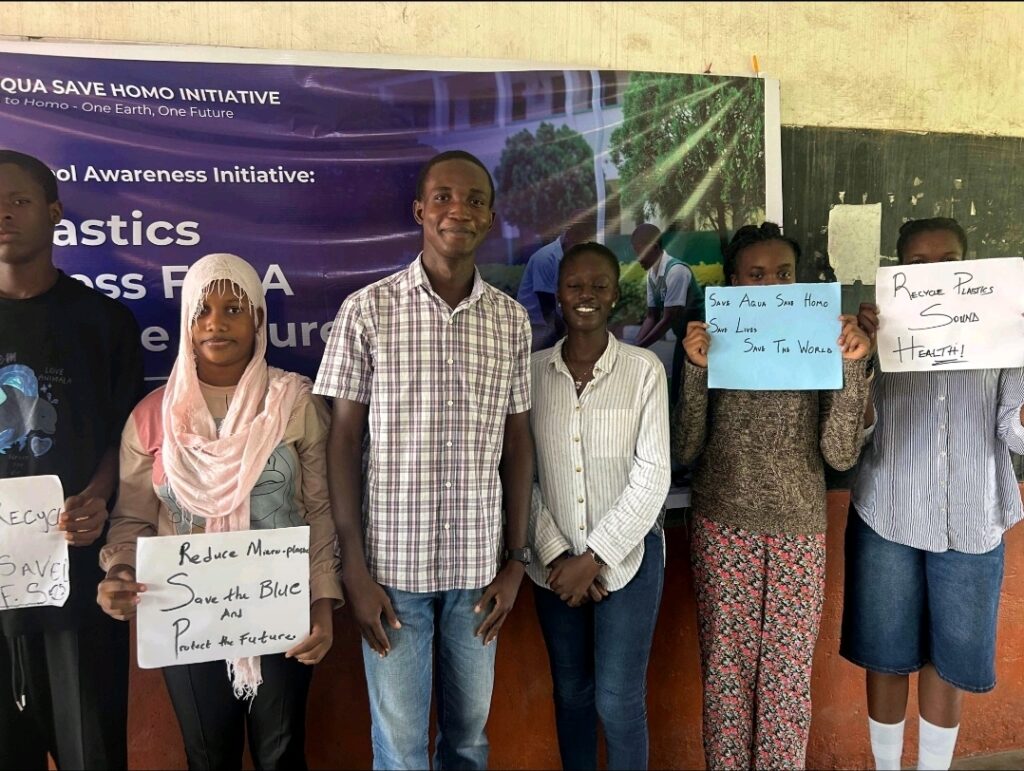
    A total of 22 students and one teacher actively participated in the workshop, surpassing the initial expectation of 20 students. The program included interactive discussions, a hands-on recycling session, a slogan contest, distribution of awareness materials, and the pre-launch of the first SASH Club in the school.
    The students demonstrated deep interest in the subject matter, with 14 of them expressing a desire to formally join the SASH Club upon resumption. The school principal also gave approval for the full establishment of the club in September 2025.

    screenshot 20250831 155045 linkedin

    Project Overview:
    The Microplastics Awareness Workshop was designed to address the growing concern of plastic waste and microplastics within communities. The event formed part of my Capstone Project as a Climate Leader under the Greenlead Climate Leaders Fellowship.

    The project had four key components:
    ● Awareness Building: Educating students about the dangers of plastic pollution and microplastics.
    ● Practical Recycling Training: Equipping students with the knowledge and skills to recycle effectively.
    ● Creative Engagement: Running a slogan contest that challenged
    students to creatively express their understanding of recycling and
    sustainability.
    ● Sustainability Plan: Pre-launching the SASH Club, which will serve as a permanent platform within the school to sustain environmental
    awareness and recycling practices.

    Microplastics Awareness

    Impact Area:
    The workshop created impact in three main areas:
    ● Knowledge: Students gained a better understanding of microplastics, plastic waste management, and recycling methods.
    ● Action: Students participated in practical recycling demonstrations and created advocacy slogans.
    ● Sustainability: The pre-launch of the first SASH Club ensures a lasting structure for continued learning and environmental leadership in the school.

    Achievements and Milestones:
    The following key achievements were recorded during the workshop:
    ● High Student Participation: 22 students participated in the event,
    exceeding the target number.
    ● Student Creativity: The slogan contest revealed how well students
    grasped the subject and how creatively they could communicate it.
    ● Commitment to Sustainability: 14 students showed genuine interest in joining the SASH Club when it officially launches in September.
    ● Awareness Materials Distributed: Flyers and learning resources were shared to reinforce the lessons taught during the workshop.
    ● Pre-Launch of First SASH Club: The school principal expressed full
    support, and the foundation for the first-ever SASH Club was
    successfully laid.
    ● Volunteer Engagement: Five facilitators, including myself, worked
    collaboratively to deliver the workshop and engage the students
    effectively.


    Click here to Support Our Work On the Continent